
Choosing with Care: Flowers for a Book Club Host
Choose flowers for a book club host with practical advice on style, size, delivery timing, and card wording for a warm, considerate thank-you.
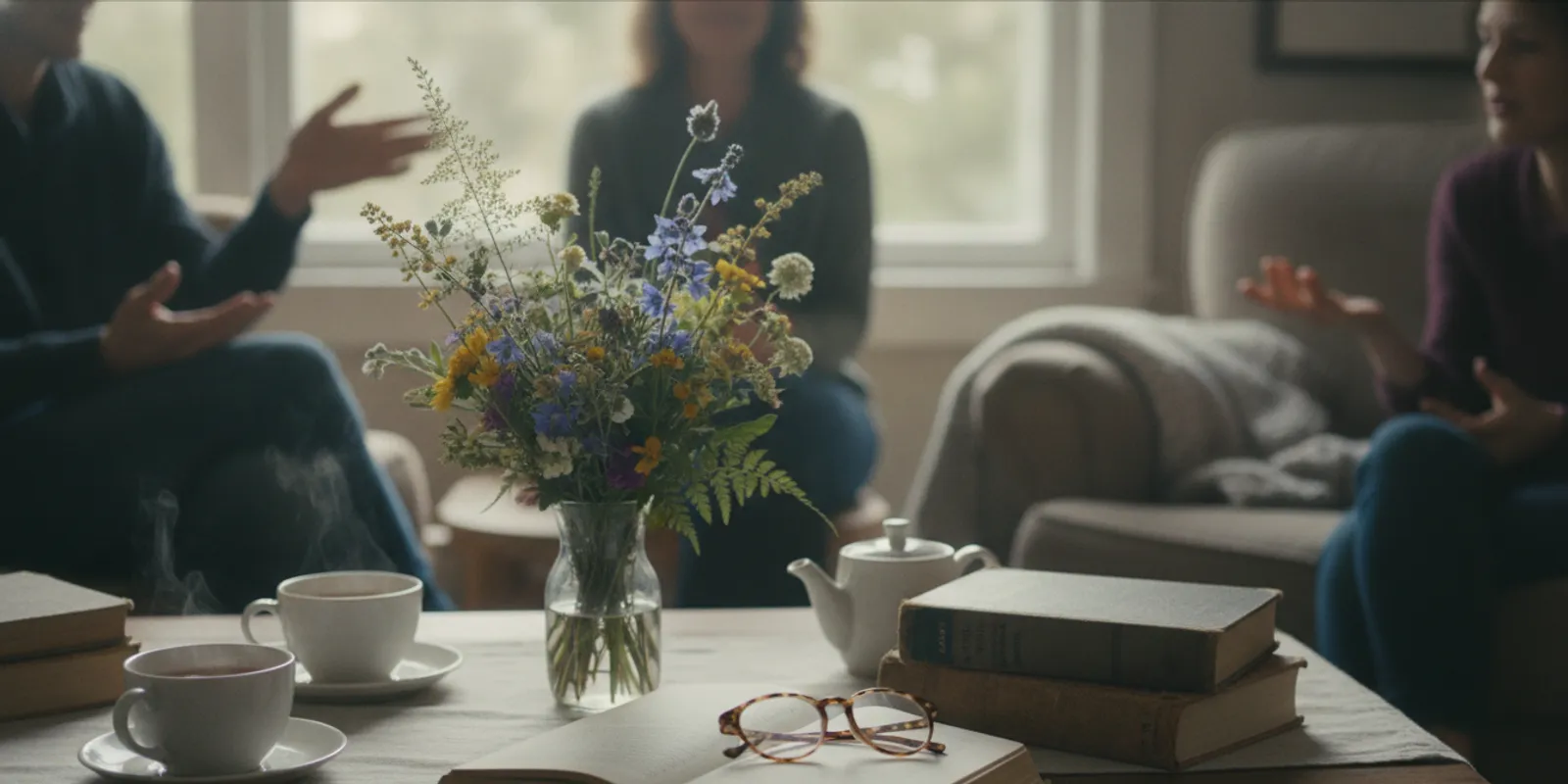
Flowers for a book club host can be a warm way to thank the person who opens their home, chooses the next read, or keeps the group connected. A thoughtful arrangement fits the host’s taste and the room without taking over the gathering. Consider the table, the timing, and whether you will bring flowers in person or arrange delivery.
Browse fresh flower arrangements
What should you consider before choosing flowers for a book club host?
Start with what you know about the host. Have they mentioned a favorite flower, color, or style? Do they prefer a calm, uncluttered room or enjoy a bright mix? A small detail you remember can make the gift feel considered. If you are not sure, choose a balanced seasonal design rather than trying to guess at a specific meaning or personal preference.
Next, think about the gathering itself. A book club table may already hold novels, drinks, snacks, and notes. A low, compact design is easier to place than a tall or wide arrangement that blocks sightlines or occupies the useful center of the table. If the meeting is in a living room, consider where the host could set the flowers once everyone arrives.
Finally, decide whether the flowers are a host gift for that evening or a thank-you to arrive another day. Bringing them yourself gives you a chance to say thank you in person. A later delivery can be a pleasant follow-up, especially when the gathering has ended and the host has time to enjoy it.
How do different flower gifts compare?
There is no single right gift for every reader or home. Use this comparison to match the gesture to the host’s preferences, the room, and the kind of gathering.
| Gift choice | Works well when | Consider before choosing |
|---|---|---|
| Compact mixed bouquet | The club meets around a shared table or the host likes fresh color | Keep the scale modest so books and refreshments still have room. |
| Soft, coordinated palette | The host’s home or personal style is quiet and understated | Use known preferences if available; avoid assuming one color suits everyone. |
| Bright seasonal arrangement | The gathering is celebratory or the recipient enjoys vivid color | Check that the design will not interrupt conversation across the table. |
| Flowering or green plant | The host enjoys tending plants and has an appropriate place for one | A plant is an ongoing care commitment, so consider whether that is welcome. |
| Flowers delivered after the meeting | You want to thank the host but cannot attend or prefer a quieter moment | Confirm the recipient can accept delivery and include a clear card message. |
Which flowers and colors make a thoughtful choice?
Let the recipient’s preferences lead. If the host has talked about a favorite flower, use that as your starting point. If you know they prefer simple arrangements, choose a design with a restrained palette and clean shape. If they enjoy color, a livelier mix may feel more like them. When those clues are missing, seasonal flowers offer variety without requiring you to guess at a particular favorite.
Color can help set a mood, but it does not have a universal meaning. Gentle shades can feel restful and easy to place. A more vivid combination can bring energy to a celebratory evening. Rather than relying on a fixed color rule, think about what the host wears, how their home is decorated, or the flowers they have chosen for past gatherings.
Consider fragrance as well as appearance. For a small room or a table where people will sit close together, a less strongly scented design may be more comfortable. If you do not know the host’s preferences, you can ask the florist about a balanced arrangement and mention that it will be enjoyed during a gathering. For general information about the agricultural side of flowers and plants, the U.S. Department of Agriculture is a useful starting point for consumers seeking federal resources. The purpose is not to match the book’s cover or theme exactly; it is to give a welcoming thank-you that suits the person.
How large should the arrangement be?
Think about where the flowers will go. A low arrangement can sit on a shared table while leaving faces, pages, and refreshments visible. A compact bouquet is easier to move to a side table once the discussion begins. If the group meets in a larger space, a fuller design may feel festive, but it still should not dominate the room.
When in doubt, choose a manageable size. Host gifts are expressions of appreciation, not a test of scale. A modest arrangement can be especially practical if the host is already setting out food or clearing a space for the group. If you are ordering online, compare the available design details instead of assuming a particular size from a product name. Many arrangements offer Traditional, Fancy, and Premium tiers; the design and price are specific to the listing, so review it carefully. You can browse bouquets to compare styles.
Think about the table, not only the room
Before choosing, picture the actual surface where the gift is likely to sit. A coffee table may be low and crowded with drinks. A dining table may need to remain clear for plates and the book itself. A narrow console or side table could suit a taller design better than the center of a conversation area. The host does not need to tell you the exact dimensions; simply matching the arrangement’s scale to the likely setting is a useful courtesy.
If the book club meets at a café, library room, or another shared venue, a smaller hand-held bouquet may be easier to manage than a large display. For a home gathering, a vase arrangement can be convenient if the host can set it down without searching for a container. If you are unsure which presentation is best, ask about options when ordering rather than making assumptions.
Should you bring flowers or arrange delivery?
If you are attending the meeting, bringing flowers yourself makes the thank-you immediate. It can also be a chance to hand over a card before conversation starts. Keep the bouquet easy to carry, especially if you will travel by transit or walk several blocks. Arriving with a manageable gift is more considerate than giving the host something difficult to set aside while they welcome guests.
Delivery is useful if you cannot attend, live elsewhere, or want to send a thank-you after the meeting. Timing matters: a host preparing refreshments may not be able to stop and receive an unexpected delivery. Arrange delivery for a time when someone is likely to be available, or choose a day after the gathering. Provide the recipient’s full address and any useful instructions, and confirm that the destination is in the delivery area.
Williams Flower & Gift serves communities across northwest Oregon and southwest Washington, with delivery availability depending on destination. Same-day delivery is available for orders placed before 1:00 PM Pacific Time, subject to destination availability; do not assume an order placed after the cutoff can arrive that day. For a planned book club date, advance scheduling can help you coordinate. Review the flower delivery information and verify the address and timing when placing the order.
If the host is in Portland, check the details for Portland flower delivery. For another city, use the relevant location information rather than assuming that delivery timing is the same everywhere. You can also review the shop’s delivery and ordering FAQs before you decide.
What details should you confirm before ordering?
A few small checks prevent a generous gesture from becoming one more task for the host. Before checkout, make sure you have the correct recipient name, street address, apartment or suite details, and a phone number if required by the order form. Add delivery instructions that are clear and useful, such as a building entrance or reception desk, but do not rely on a note to override facility or destination rules.
- Confirm the meeting date and whether flowers should arrive before, during, or after it.
- Check that someone can receive the delivery at the selected destination.
- Choose an arrangement size that fits the expected space and occasion.
- Review the product listing for design details and the selected tier.
- Include your name and a brief card message so the host knows who sent the gift.
- Remember that delivery fees vary by recipient address and are calculated at checkout.
If the recipient’s address is outside Portland, confirm coverage for that specific destination. Williams Flower & Gift offers delivery across a broad Oregon and southwest Washington service area, but availability and timing depend on the address. For questions about an order or a preference that is not clear online, call 971-247-1444. The shop’s About Us page shares more about its family-owned Northwest roots and service approach.
What should you write on the card?
A short, specific note makes the gift feel like it came from you. Thank the host for something they did or mention a detail you enjoyed. You could write:
- “Thank you for bringing us together each month. I loved hearing everyone’s take on the ending.”
- “Thanks for hosting such a welcoming evening. I’m already looking forward to the next book.”
- “A little color for the person who always makes room for one more reader. Thank you!”
- “Thank you for choosing such a good read and making our discussion feel so relaxed.”
Keep the message in your own voice. You do not have to mention the flowers; a sincere thank-you is enough. If the gathering marks a birthday, a milestone, or the end of a particularly memorable book, add that reason in a few words. If you are sending the gift after the event, say which meeting you are remembering so the note feels timely rather than generic.
How can you make flowers easy for the host?
Hospitality often involves many small jobs: greeting guests, making space, setting out refreshments, and keeping the conversation moving. Make your gift simple to accept. If bringing flowers, arrive with them ready to hand over and avoid asking the host to find a vase while guests are arriving. If arranging delivery, provide reliable instructions and let the host know when to expect it when appropriate.
Consider the cleanup and care too. The host may appreciate a design that can be placed safely without rearranging the whole table. A plant can be lovely, but it asks the recipient to provide ongoing care; choose one only if you know they enjoy that. If the host has pets or other household considerations, and you know that certain flowers may be unsuitable, ask for guidance rather than guessing. The goal is to offer a welcome gesture, not create an obligation.
One practical sequence is to choose the gift, write the card, and then check the logistics. That order keeps the message personal while still leaving time to verify delivery. If the date is close, check the cutoff and destination availability instead of assuming same-day service. If a specific time matters, confirm whether it can be accommodated rather than promising it to the host.
How do you decide when several ideas seem possible?
Use a simple decision path. First, identify any clear preference the host has shared. A favorite color or flower is a stronger guide than a general rule about what a host “should” like. Second, think about where the arrangement will be set down. If the gathering revolves around a table, favor a lower, compact design. Third, choose how the gift will reach the recipient: bring it along if you are attending, or arrange a delivery date that is convenient and confirmed.
For example, imagine the group meets in a small apartment and the host serves tea at a coffee table. A modest arrangement in a coordinated palette is likely easier to place than a large display. If you know the host loves bold colors, a bright seasonal bouquet can still be the right choice; just think about a side table rather than the center of the conversation. In a larger dining room with a separate refreshment area, there may be more flexibility, but a table-friendly design remains considerate.
Now consider a second case: you cannot attend, but want to thank the host after the group finishes a long novel. A delivery on the next day or another convenient date can give the host a quiet moment to enjoy the flowers. Include a note that names the gathering and says what you appreciated. If you are uncertain about the address or availability, ask the host or another member of the group before ordering.
These examples show why the most thoughtful choice is not necessarily the largest or most elaborate. A good gift reflects what you know, respects the setting, and reaches the host at a sensible time. If you have narrowed the options to two arrangements, choose the one that is easier to place and more consistent with the recipient’s taste.
How can you adapt the gift to the kind of gathering?
A monthly club with a familiar group calls for a different gesture than a first meeting with new members. For a regular gathering, you might reference a running joke, a favorite genre, or the host’s reliable way of making everyone feel included. The card can carry that personal touch even if the arrangement itself is simple. For a first-time host, keep the note warm and straightforward; you do not need to make a large gesture before you know one another well.
If the meeting celebrates the final session of a long read, a bouquet can mark the occasion without needing to match the story. If the group is meeting to welcome a new member or celebrate the host, adapt the card to the reason. For a casual weeknight discussion, a modest design may feel appropriate. For an anniversary meeting or seasonal party, a brighter arrangement can help set a festive tone. In each case, the occasion informs the choice, but the host’s preference remains the best guide.
What if the host has allergies or household preferences?
If you already know that the host avoids certain flowers, strongly scented blooms, or plants, respect that information. When you are uncertain, ask a discreet question or choose another way to say thank you. Do not treat a flower gift as necessary etiquette; appreciation can also be expressed in a handwritten note or by helping with a small cleanup task after the meeting. If you do choose flowers, mention any known preference when ordering so the design can be selected with it in mind.
Pets and young children may also affect where a bouquet can be placed. If you know the household has specific concerns, ask the recipient or another member of the group rather than trying to diagnose what is safe. The host can decide what works in their home. A practical gift respects those boundaries, while a card still communicates your thanks even if the most suitable choice is a different style or timing.
How can a group choose one shared thank-you?
When several members want to contribute, agree on the plan before ordering. One person can coordinate the card, while others share the message or sign their names. Decide whether to deliver the arrangement during the meeting or afterward, and avoid duplicating orders by confirming who is handling it. A shared gift can be more flexible in size, but it should still reflect what the host likes rather than being chosen only because everyone can contribute.
Keep the card legible and specific. Instead of a long list of individual notes, write one sentence about what the group appreciated and add the members’ names. If the book club rotates hosts, a group thank-you can recognize the extra effort of one particular evening without suggesting that gifts are expected each time. That balance keeps the gesture generous and comfortable.
Frequently asked questions about flowers for a book club host
Are flowers an appropriate gift for a book club host?
Yes. A bouquet can be a friendly way to thank someone for hosting, especially when it suits their preferences and does not create extra work. A simple card can make the reason for the gift clear.
Should I bring flowers to the meeting or send them afterward?
Either can work. Bring them if you can carry them easily and the host can set them aside. Send them later if the host is busy preparing or if you want to thank them after the gathering. Confirm that someone can receive a delivery.
What size arrangement is best for a book club?
There is no fixed size. A compact or low design is often practical around a shared table, while a larger room may accommodate a fuller arrangement. Think about where it will be placed and whether people need to see over it.
What if I do not know the host’s favorite flowers?
Choose a balanced seasonal arrangement in a style that feels welcoming. You can use what you know about the host’s home or general taste, or ask the florist for help selecting a suitable design.
Choose a bouquet for your host
Plan the gift, then place the order
Start with the host’s taste, the room, and the timing. Then choose a size that fits the gathering, write a personal note, and confirm the delivery details if you are sending flowers. Williams Flower & Gift is a family-owned Northwest florist with more than 40 years of experience; its team can help you consider an arrangement for a thoughtful occasion. A considerate gift does not need to be elaborate: it simply shows that you noticed the care the host put into bringing everyone together.
Whether you choose a compact bouquet for the coffee table or a brighter seasonal design for later delivery, flowers can make a book club thank-you feel warm, personal, and easy to remember.

